
General & preventive
Fillings and tooth decayin Cape Town
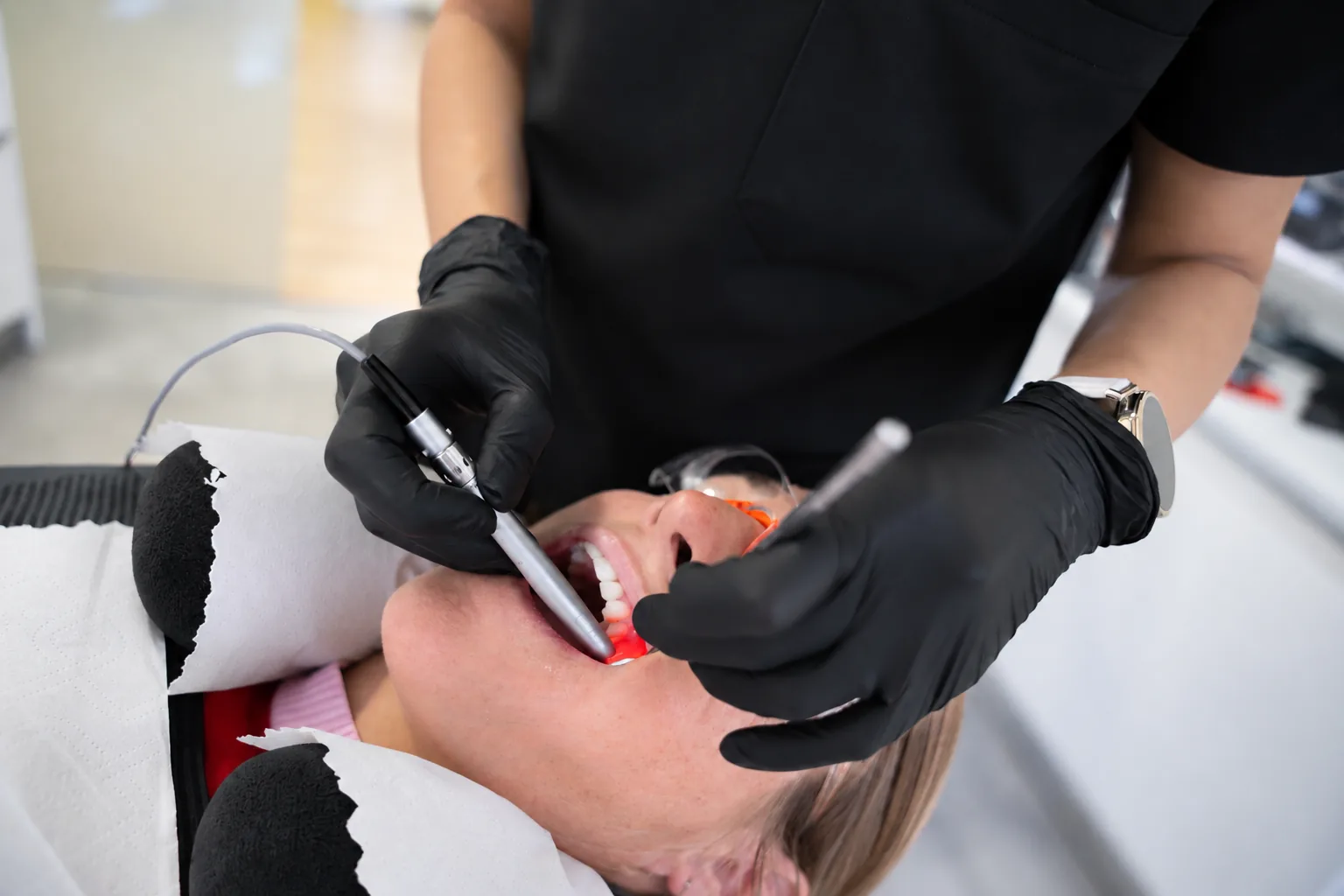
Fillings at Singh Advanced Dentistry in Gardens, Cape Town treat tooth decay by removing the damaged tissue, often with a Waterlase laser, and restoring the tooth with tooth-coloured composite.
Tooth decay can affect enamel and progress into deeper tooth structures. At Singh Advanced Dentistry in Cape Town, prevention and treatment are tailored to your individual risk factors and the extent of decay.
At a glance
- Who it's for
- Early decay or cavities
- Time in the chair
- —
- Number of visits
- —
- Recovery
- —
Overview
Tooth-coloured fillings that conserve as much natural tooth as possible.
We can explain your options, what to expect and the costs at your consultation.
How it works
Step by step.
- 01
Consultation
We assess your teeth and talk through your goals and options.
- 02
Your plan
You receive a clear treatment plan and costs before anything begins.
- 03
Treatment
Treatment is carried out at a pace that suits you, with aftercare guidance.
Your journey
Fillings and tooth decay, step by step.
- Step 1
Consultation
We examine your teeth, talk through your goals and explain the options and costs.
- Time
- 45–60 min
- Visits
- 1 visit
- Step 2
Filling
Decay is removed, often with the laser, and the tooth restored with a tooth-coloured filling.
- Time
- 30–60 min
- Visits
- 1 visit
Practice to confirm
Times are typical and vary from person to person. We'll confirm yours at your consultation.
The full guide
Everything you need to know about fillings and tooth decay
Brushing twice a day, flossing, and visiting your dentist regularly are essential habits — but for some people, tooth decay can still be a concern. Factors like genetics, enamel strength, and dietary choices all play a role in how vulnerable your teeth are to cavities.
At Singh Advanced Dentistry in Cape Town, our skilled team goes beyond the basics to help you understand your individual risk factors and develop a personalised plan to protect your smile.
Whether you’ve noticed early signs of a cavity or simply want peace of mind, we’re here to help you take control of your oral health.
Strong, healthy teeth are foundational to your overall wellbeing — and preventing decay can help avoid future dental complications.
What is a Cavity?
Tooth decay occurs when the hard outer layer of your tooth (enamel) begins to break down due to acids produced by plaque — a sticky film of bacteria that forms when sugars in your mouth are broken down. Over time, this process weakens your enamel, and if left untreated, it leads to the formation of cavities (holes in your teeth). As cavities deepen, they can cause intense toothache, damage the internal structures of the tooth, and eventually lead to tooth loss. In severe cases, untreated decay can result in tooth abscesses — painful infections that may spread into the jaw, head, or bloodstream, becoming a serious health risk.
High-Risk Areas for Plaque Build-up
- Chewing surfaces of molars, where food easily gets trapped in grooves
- Between the teeth, where brushing alone may not reach
- Along the gumline, where plaque can collect unnoticed
At Singh Advanced Dentistry in Cape Town, we focus on prevention, early detection, and tailored treatment to protect your teeth from decay before it leads to complications.
Treatment for Cavities and Tooth Decay
Regular dental check-ups are essential in detecting tooth decay early—before it leads to more serious damage. Early detection can help identify opportunities to reverse early mineral loss or halt further progression.
At Singh Advanced Dentistry in Cape Town, we offer a full spectrum of treatment options tailored to the severity of your decay
Fluoride Treatment (Early-Stage Decay)
In the very early stages, fluoride can help remineralise enamel and reverse decay before a cavity forms. These professional treatments are typically applied as a gel, foam, varnish, or solution directly onto the teeth.
Dental Fillings
When decay has advanced past the enamel but hasn't compromised the tooth's structure entirely, a filling is the standard solution. The decayed portion of the tooth is removed and replaced with a durable material—such as composite resin, porcelain, silver, gold, or amalgam—to help restore function and manage decay.
Crowns
If the cavity is too large for a filling, a custom-made dental crown may be required. This involves removing the decayed area and reshaping the tooth before placing a crown that fits securely over it. Crowns are crafted from porcelain, metal, porcelain-fused-to-metal, resin, or gold, depending on your needs and preferences.
Root Canal Therapy
When decay reaches the inner pulp of the tooth, a root canal is often necessary to save it. The procedure involves removing the infected pulp, cleaning and disinfecting the canal, and then filling and sealing it. A crown is typically placed afterwards for strength and protection.
Tooth Extraction
If the tooth is too damaged to be restored, extraction may be the only option. Once the tooth is removed, we can guide you through post-extraction care and discuss restoration options such as a dental implant or bridge to prevent shifting of nearby teeth.
You may experience mild discomfort and swelling after an extraction, which is normal and manageable with proper care.
Tooth decay is preventable and treatable—especially when addressed early. Let our expert team help you protect your smile and avoid long-term complications.
How much does it cost to treat a cavity?
The cost of treating a cavity can vary significantly depending on how advanced the decay is and which treatment option is required. During your initial consultation at Singh Advanced Dentistry in Cape Town, we can conduct a thorough assessment to determine the most suitable course of action. Once your treatment plan is established, we can provide you with a clear, personalised cost estimate.
Stages of Tooth Decay
Understanding the progression of tooth decay is key to catching it early and preventing irreversible damage. Here’s how it typically develops
Stage 1: Initial Demineralisation
Tooth decay begins when acids from plaque bacteria start to erode the minerals in your tooth enamel—the hard, protective outer layer. This early damage often appears as a chalky white spot on the tooth surface and is the first visible sign of decay. At this stage, the damage is still reversible with proper care and fluoride treatment.
Stage 2: Enamel Decay
If demineralisation continues, the enamel breaks down further, and the white spot may turn brown. Small holes, known as cavities or caries, begin to form in the enamel. At this point, the decay is no longer reversible and requires dental treatment, such as a filling, to restore the tooth.
Stage 3: Dentine Decay
Beneath the enamel lies dentine, a softer layer that decays more rapidly once exposed. Because dentine contains tiny tubules that lead to the tooth’s nerve, you may begin to notice increased sensitivity to hot, cold, or sweet foods and drinks. Decay at this stage progresses more quickly and requires prompt treatment.
Stage 4: Pulp Involvement
The pulp is the innermost part of the tooth, housing nerves and blood vessels. When decay reaches the pulp, it can become inflamed and swollen, causing significant pain. Because the surrounding tissue can't expand to relieve this pressure, nerve pain becomes more intense.
This often requires root canal therapy to save the tooth.
Stage 5: Abscess Formation
As bacteria infect the pulp, a pocket of pus (abscess) can form at the root of the tooth. This leads to severe pain that may spread to the jaw, neck, or ear. You may also experience swelling, fever, or swollen lymph nodes.
A dental abscess is a serious condition that requires urgent treatment—sometimes including tooth extraction—to prevent the infection from spreading.
Don't Wait—Act Early
The earlier tooth decay is detected, the easier it is to treat. At Singh Advanced Dentistry in Cape Town, we focus on early diagnosis and preventive care to keep your teeth strong and healthy.
What Causes Cavities and Tooth Decay?
Tooth decay doesn’t happen overnight — it’s the result of a combination of factors that, over time, can weaken your enamel and lead to cavities. Understanding these causes can help you take proactive steps to protect your teeth.
1. Poor Oral Hygiene
Inconsistent or ineffective brushing and flossing allows plaque — a sticky film of bacteria — to build up on your teeth. Without regular cleaning, plaque thrives and starts breaking down the enamel, leading to decay.
2. Plaque Build-up
Plaque that isn’t removed daily can harden and continue to grow. In the presence of sugar, plaque bacteria produce acid that attacks the enamel, eventually forming cavities. Daily brushing, flossing, and professional cleanings are essential to control plaque.
3. Dry Mouth
Saliva plays a critical role in rinsing away food particles and neutralising acids. A dry mouth reduces this natural protection, allowing plaque and bacteria to build up more quickly. Dry mouth can be caused by dehydration, medications, or certain medical conditions.
4. Diet High in Sugar and Starch
Frequent consumption of sugary and sticky foods or drinks fuels the bacteria in your mouth. These bacteria produce acid that erodes your enamel. Carbohydrates that cling to teeth — even after brushing — can also increase cavity risk.
5. Acid-Producing Bacteria
Everyone has bacteria in their mouth, but some strains are more harmful than others. When these bacteria digest leftover food particles (especially sugars and carbs), they produce acid that breaks down tooth enamel.
6. Medical Conditions and Treatments
Certain cancer treatments, especially radiation to the head or neck, can alter saliva production and increase bacterial growth — both of which heighten the risk of decay. Acid reflux and eating disorders can also expose teeth to damaging acids.
7. Receding Gums
When gums pull back, they expose the roots of your teeth — an area not protected by enamel. This makes it easier for plaque and acid to cause what’s known as root decay or root cavities, which are more common in older adults.
8. Naturally Weaker Enamel
Some people are genetically predisposed to have softer or thinner enamel, making their teeth more vulnerable to decay. Others may have weakened enamel due to illnesses or developmental conditions.
Prevention Starts with Awareness
At Singh Advanced Dentistry in Cape Town, we help you understand your unique risk factors and provide tailored strategies to keep your teeth strong and healthy. Preventive care can help reduce the need for treatment — and we’re here to support you every step of the way.
Signs and Symptoms of Cavities and Tooth Decay
As tooth decay progresses, cavities can begin to show noticeable symptoms. These signs can vary depending on the severity and location of the decay — but catching them early is key to avoiding more serious complications.
Common Signs and Symptoms of Cavities Include
- Toothache – Persistent or occasional pain ranging from mild to severe
- Increased Sensitivity – Discomfort when consuming hot, cold, or sweet foods and drinks
- Pain When Biting Down – Pressure or pain when chewing
- Visible Holes or Pits – Noticeable indentations on the surface of your teeth
- Tooth Discolouration – White, brown, or black stains that may indicate decay
- Swollen or Tender Gums – Inflammation around the affected tooth
- Loose or Damaged Fillings – Fillings that have shifted or fallen out can expose decay
- Cracked or Broken Teeth – Weakened enamel may lead to breakage
- Dental Abscess – Severe infection that can cause pain, swelling, fever, or a bad taste in the mouth
- Tooth Loss – In advanced cases, untreated decay can lead to tooth loss
If you're experiencing any of these symptoms — or simply suspect something might be wrong — don’t wait. Early detection means easier, more effective treatment.
At Singh Advanced Dentistry in Cape Town, we’re here to help you address cavities before they become serious problems. Book your consultation today for expert care and peace of mind.
What can you do to Prevent Cavities?
Maintaining good oral hygiene can help prevent tooth decay and cavities. By adopting a consistent routine and making smart daily choices, you can protect your smile and avoid unnecessary dental issues down the line.
Top Tips to Keep Your Teeth Cavity-Free
Visit Your Dentist Regularly
Schedule routine dental check-ups and professional cleanings to catch potential issues early and keep plaque under control.
Brush Twice a Day with Fluoride Toothpaste
Brushing in the morning and evening — or ideally after every meal — helps remove food particles and prevent plaque build-up.
Floss Daily
Flossing removes plaque and food debris from between your teeth where your toothbrush can’t reach.
Use a Fluoride Mouthwash
Rinse daily with a fluoride-containing mouthwash to strengthen enamel and reduce bacteria.
Stay Hydrated
Drinking water throughout the day helps rinse your mouth, stimulate saliva production, and neutralise harmful acids.
Limit Sugar Intake
Avoid sugary foods and drinks, especially between meals. Sugar feeds cavity-causing bacteria that produce enamel-eroding acids.
Eat a Nutritious Diet
Focus on whole, nutrient-rich foods that support oral health and reduce acid production in the mouth.
Avoid Tobacco Products
Smoking and smokeless tobacco increase your risk of cavities, gum disease, and oral cancer.
Consider Fluoride Treatments
Ask your dentist about professional fluoride applications to help remineralise weakened areas of enamel.
Explore Antibacterial Options
For patients prone to decay, antibacterial mouth rinses or treatments may help reduce bacteria and plaque build-up.
At Singh Advanced Dentistry in Cape Town, we can work with you to create a personalised prevention plan — because a healthy mouth leads to a healthier you.
Is Tooth Decay Reversible?
Yes — in its earliest stages, tooth decay can be reversed. When caught early, before a cavity forms, it’s possible to stop and even repair the damage through remineralisation. But once the enamel has lost too many minerals and a cavity has developed, the damage becomes irreversible and must be treated by a dental professional.
The good news:You can prevent and even reverse early tooth decay by
- Practising consistent, thorough oral hygiene
- Reducing your intake of sugary and starchy foods
- Using fluoride toothpaste or professional fluoride treatments
- Scheduling regular dental check-ups and cleanings
At Singh Advanced Dentistry in Cape Town, we’re here to help you protect your smile — before decay has a chance to take hold.
Book online to arrange a consultation.
Whether you’ve noticed early signs of a cavity or simply want peace of mind, we’re here to help you take control of your oral health.
Related treatments

Teeth cleaning
Professional hygiene visits with air polishing and laser therapy to keep teeth and gums healthy.
Read more →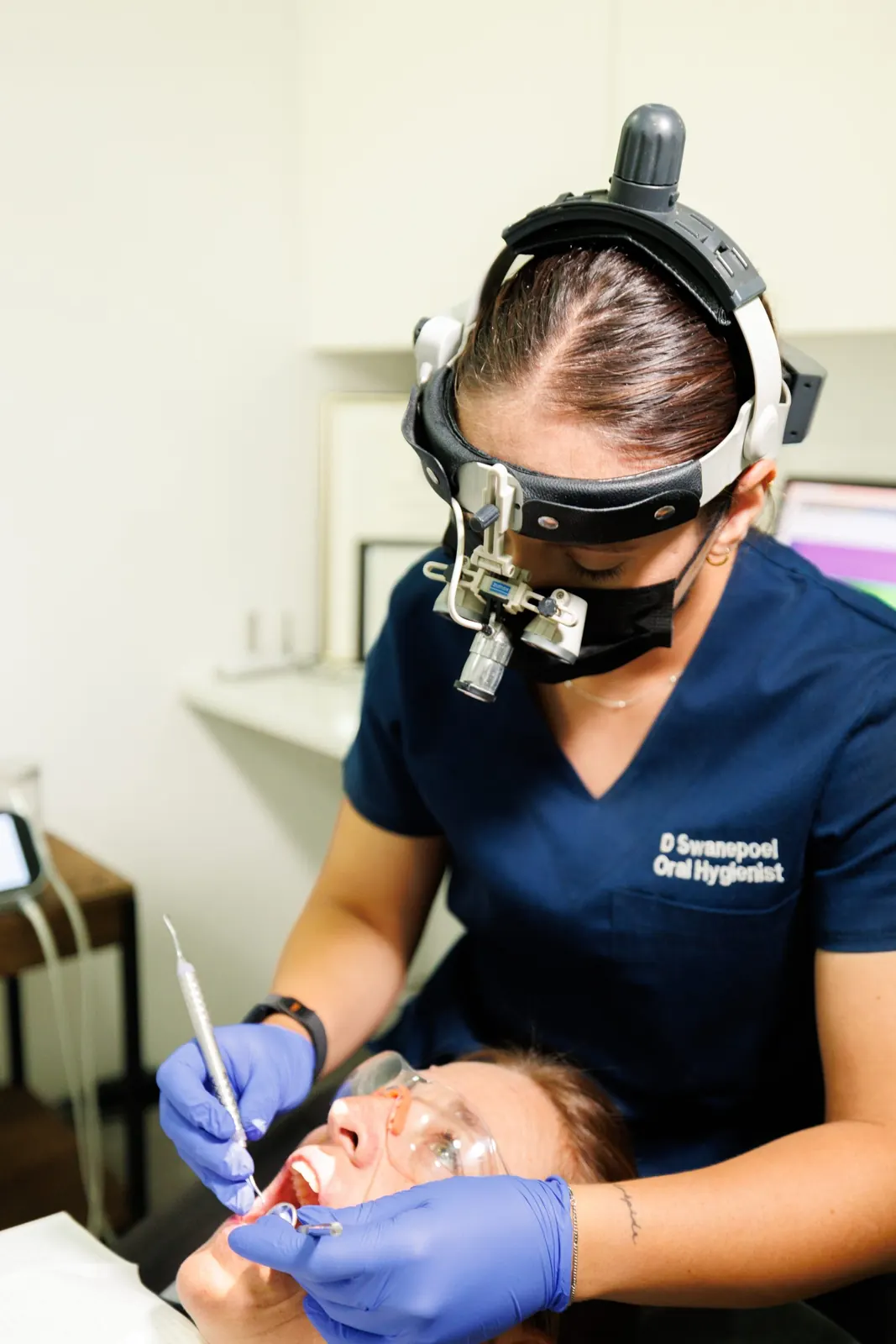
Gum disease treatment
Laser-assisted care for inflamed and receding gums.
Read more →
Root canal treatment
Root canal care with laser-assisted disinfection where appropriate.
Read more →
Fillings and tooth decay